
My Strategies
As a freelance digital marketer in Perinthalmanna, my comprehensive digital marketing strategy integrates multi-channel expertise to provide clients in a variety of sectors with quantifiable outcomes. My approach begins with robust SEO foundations, implementing technical optimizations, conducting thorough keyword research, and creating search-optimized content that drives organic visibility and sustainable traffic growth. I leverage Google Ads campaigns with precision targeting, strategic bid management, and conversion-focused ad copy to generate immediate results while maintaining cost-efficiency. My social media marketing expertise spans platform-specific content strategies, community engagement, and data-driven campaign optimization across Facebook, Instagram, LinkedIn, and emerging platforms. Through compelling content creation that educates, engages, and converts, I fuel all digital channels while establishing thought leadership for my clients. I utilize advanced analytics tools including Google Analytics, Search Console, and social media insights to continuously monitor performance, identify optimization opportunities, and make data-driven decisions that maximize ROI. My hands-on experience with brands like CBA and Conseltex has sharpened my skills in search enhancement, tactical paid advertising, performance analysis, and results-driven strategy execution. Operating from Perinthalmanna, I combine local market understanding with global digital marketing best practices, offering businesses personalized attention, transparent communication, and strategic guidance that transforms digital presence into tangible business growth. Whether clients need comprehensive digital transformation or specialized support in SEO, PPC, social media, or content marketing, my integrated approach ensures every campaign element works synergistically to achieve specific business objectives while adapting to evolving market dynamics and platform algorithms.
An Integrated Digital Marketing Strategy for Measurable Commercial Success

In today’s rapidly evolving digital landscape, successful marketing calls for a complex strategy that incorporates search engine optimization, paid advertising, social media engagement, and data-driven decision-making. Drawing from extensive experience across SEO implementation, performance analytics, content production, and Google Ads management, this comprehensive strategy outlines a holistic framework for utilizing digital media to achieve quantifiable commercial outcomes.
1. Foundation: Understanding the Digital Marketing Ecosystem
Digital marketing success begins with recognizing that no single channel operates in isolation. Each component—organic search, paid advertising, social media, content marketing, and analytics—functions as part of an interconnected system where activities in one area amplify results in others.This synergistic approach forms the cornerstone of effective digital strategy.
The contemporary consumer journey seldom takes a straightforward route. Prospective clients could find your brand via social media, research your offerings via organic search, compare options through paid advertisements, and ultimately convert after consuming multiple pieces of content across various touchpoints. Understanding this complexity is essential for crafting campaigns that meet audiences wherever they are in their decision-making process.
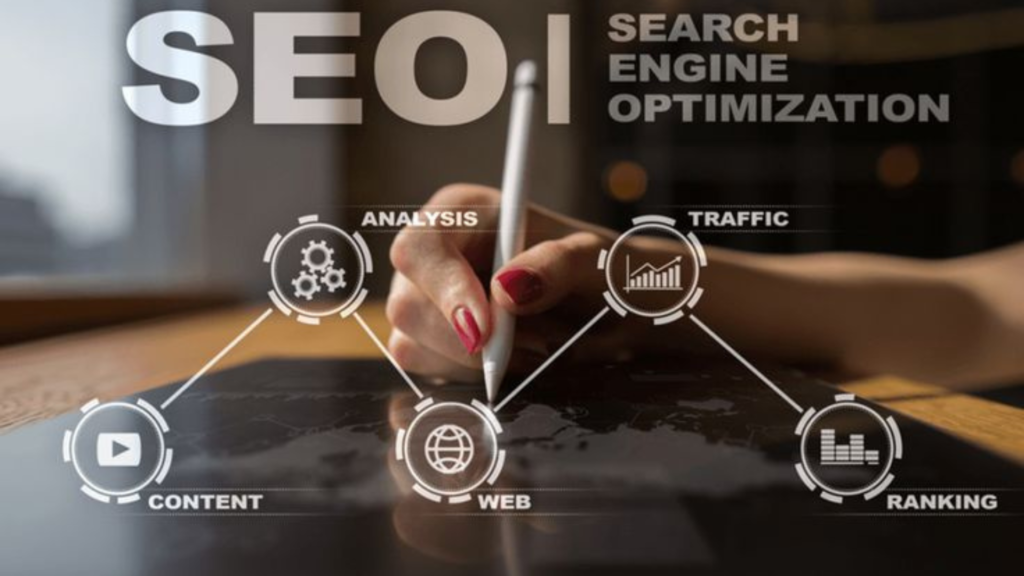
2. Search Engine Optimization: Building Organic Visibility
Search engine optimization represents the foundation of sustainable digital visibility. Unlike paid channels that require continuous investment, strong organic rankings compound over time, delivering increasing returns as your domain authority grows and content library expands.
Technical SEO Excellence
Technical optimization guarantees that search engines can efficiently navigate, index, and understand your website. This begins with site architecture—creating logical hierarchies where important pages sit no more than three clicks from the homepage. URL structures should be clean, descriptive, and keyword-rich without being stuffed. Implementing schema markup helps search engines comprehend your content context, enabling rich snippets that improve click-through rates from search results.
Page speed optimization has become increasingly critical as search engines prioritize user experience. Reducing image sizes, utilizing browser caching, optimizing code, and implementing content delivery networks all contribute to faster load times. Mobile responsiveness is non-negotiable, with mobile-first indexing making smartphone optimization the primary consideration rather than an afterthought.
On-Page Optimization Strategies
Every page represents an opportunity to rank for relevant search queries. Title tags should incorporate primary keywords while remaining compelling enough to earn clicks. Meta descriptions, while not direct ranking factors, significantly impact click-through rates and should include clear value propositions and calls to action.
Header tags create content hierarchy that helps both users and search engines navigate your information architecture. H1 tags must include main keywords and clearly communicate page topics, while H2 and H3 tags break content into scannable sections that address related subtopics and long-tail keywords.
Content depth matters enormously in competitive spaces. Comprehensive resources that thoroughly address user intent consistently outperform superficial coverage. This doesn’t mean padding word counts artificially, but rather ensuring every relevant aspect of a topic receives adequate treatment. Including multimedia elements—images, videos, infographics, charts—enhances engagement while offering extra ranking chances via image search.
Off-Page SEO and Link Building
Backlinks remain among the most powerful ranking signals, serving as votes of confidence from other websites. Quality far exceeds quantity in link building. A single link from a highly authoritative, topically relevant source carries more weight than dozens from low-quality directories.
Effective link acquisition focuses on creating genuinely valuable content that naturally attracts references. Original studies, detailed manuals, engaging resources, and data visualizations all serve as link magnets. Strategic outreach to industry publications, collaborating with complementary businesses, and building relationships with journalists and bloggers can accelerate this process.
Local SEO demands particular attention for businesses serving specific geographic markets. Managing and enhancing Google Business Profile entries, establishing citations on local directories, promoting customer feedback, and creating location-specific content all strengthen local search visibility.
3. Google Ads: Maximizing Paid Search Performance
While organic search builds sustainable long-term visibility, paid advertising delivers immediate traffic and provides precise control over targeting, messaging, and budget allocation. Google Ads excellence requires continuous optimization based on performance data.
Campaign Structure and Organization
Logical campaign architecture separates initiatives by business objective, product category, or customer segment. This detailed structure allows for accurate budget management and makes performance analysis more actionable. Ad groups within campaigns should cluster tightly related keywords, ensuring ad copy directly addresses searcher intent.
Keyword Strategy and Match Types
Keyword research pinpoints the exact phrases that prospective clients use when searching for your solutions. Beyond obvious head terms, long-tail keywords often deliver superior conversion rates despite lower search volumes because they capture users further along the buying journey with clearer intent.
Match type selection balances reach against relevance. Broad match captures maximum traffic but requires diligent negative keyword oversight to avoid unnecessary expenses on irrelevant queries. Phrase and exact match offer greater control but may limit impression volume. Most sophisticated campaigns employ a combination, using broad match to discover new opportunities while maintaining exact match campaigns for proven converters.
Ad Copy That Converts
Effective ad copy speaks directly to searcher intent, immediately confirming that your offering addresses their specific need. Headlines should incorporate searched keywords while highlighting unique value propositions. Descriptions expand on benefits, addressing potential objections and including clear calls to action.
Ad extensions significantly improve click-through rates by providing additional information and occupying more search result real estate. Sitelink extensions direct users to specific pages, callout extensions highlight key features, structured snippets showcase product categories, and call extensions enable direct phone contact. Utilizing all relevant extensions maximizes ad performance.
Bidding Strategies and Budget Management
Modern bidding strategies increasingly leverage machine learning to optimize toward specific objectives. Target CPA bidding automatically adjusts bids to achieve desired cost-per-acquisition goals, while target ROAS optimizes for return on ad spend. These automated strategies require sufficient conversion data to function effectively, making manual CPC bidding more appropriate for new campaigns or limited budgets.
Budget allocation should reflect business priorities and channel performance. High-performing campaigns warrant increased investment, while underperformers require analysis and optimization before committing additional resources. Dayparting modifies bids according to the time of day or day-of-week performance patterns, concentrating budget during peak conversion periods.
4. Social Media Marketing: Building Community and Brand Awareness
Social platforms serve multiple marketing functions—brand building, community engagement, customer service, content distribution, and increasingly, direct commerce. Each platform attracts distinct demographics and supports different content formats, requiring tailored approaches.
Platform Selection and Strategy
Rather than maintaining a presence across every available platform, focus resources where your target audience actively engages. LinkedIn dominates B2B professional networking, Instagram and TikTok reach younger demographics with visual content, Facebook maintains broad demographic reach particularly among older users, and Twitter facilitates real-time conversations and news distribution.
Content Strategy Across Platforms
Successful social content balances promotional messaging with genuine value delivery. The 80/20 rule suggests that eighty percent of content should educate, entertain, or inspire, while only twenty percent directly promotes products or services. This ratio maintains audience interest and prevents follower fatigue from excessive self-promotion.
Content formats should leverage each platform’s unique strengths. Instagram favors high-quality imagery and short video, LinkedIn rewards thought leadership articles and industry insights, TikTok demands authentic, entertaining short-form video, and Facebook supports longer-form content and community discussion.
Consistency in posting frequency maintains audience engagement and algorithmic favor.Instead of intermittent spikes in activity by silence, regular posting schedules train audiences to expect and anticipate your content. Content calendars plan themes, campaigns, and individual posts in advance, ensuring strategic alignment and preventing last-minute scrambles.
Community Management and Engagement
Social media is inherently conversational, not broadcast. Responding promptly to comments, questions, and messages demonstrates customer care and builds relationships. Proactive engagement—commenting on relevant industry discussions, sharing user-generated content, celebrating customer successes—strengthens community bonds.
Social listening keeps an eye on competition activity, brand references, and industry conversations beyond your direct interactions. This intelligence informs content strategy, identifies emerging trends, and surfaces customer service issues before they escalate.

5. Content Marketing: Fueling All Digital Channels
Content serves as the fuel powering every digital marketing channel. SEO requires optimized pages and blog posts, social media demands shareable material, email marketing needs compelling messages, and paid advertising directs traffic to landing pages. Quality content creation represents perhaps the highest-leverage marketing investment.
Strategic Content Planning
Effective content strategies begin with audience research and buyer persona development. Understanding customer pain points, questions, objections, and aspirations enables content that genuinely serves their needs rather than merely promoting products.
Content mapping aligns specific content pieces with buyer journey stages. Top-of-funnel content builds awareness and educates broadly, middle-funnel material helps prospects evaluate options and understand your approach, and bottom-funnel content addresses final objections and facilitates purchase decisions.
Content Formats and Distribution
Diversifying content formats maximizes reach and accommodates different learning preferences. Blog entries foster thought leadership and motivate organic search traffic, videos engage visual learners and perform exceptionally on social platforms, podcasts reach audiences infographics make difficult material easier to understand during workouts and commutes into shareable visuals, and case studies provide social proof through customer success stories.
Content distribution extends beyond initial publication. Subscribers receive articles directly from email newsletters inboxes, social sharing exposes material to network connections, content syndication reaches new audiences through partner publications, and paid promotion amplifies high-performing pieces.
Content Optimization and Updating
Content performance should inform future creation. Analytics reveal which topics resonate, which formats engage audiences, and which pieces drive conversions. Doubling down on successful themes while refining or retiring underperformers optimizes content ROI.
Existing content represents ongoing opportunities. Updating statistics, expanding coverage, improving SEO optimization, and refreshing outdated information breathes new life into older pieces, often yielding significant ranking improvements with less work than producing completely original stuff.
6. Analytics and Performance Measurement
Data-driven decision-making separates sophisticated marketing operations from those operating on intuition alone. Comprehensive analytics track performance across all channels, identifying what works, what doesn’t, and where optimization opportunities exist.
Key Performance Indicators
Different marketing objectives require different success metrics. Campaigns that raise brand awareness monitor impressions, reach, and engagement rates. Lead generation initiatives measure form completions, cost per lead, and lead quality scores. E-commerce focuses on conversion rate, average order value, and customer lifetime value.
Attribution modeling addresses the complexity of multi-touch customer journeys. Last-click attribution credits the final interaction before conversion, first-click credits initial discovery, and multi-touch models distribute credit across all touchpoints. Understanding attribution methodology prevents over- or under-investing in particular channels.
Tools and Implementation
Google Analytics provides comprehensive website traffic analysis, tracking user behavior, traffic sources, conversion paths, and goal completions. Google Search Console displays the results of organic searches, performance, including rankings, impressions, click-through rates, and technical issues. Native analytics dashboards are available on social media platforms tracking engagement, reach, and audience demographics.
Tag management systems like Google Tag Manager streamline tracking implementation without requiring code changes for every new pixel or event. Marketing automation platforms consolidate data across channels, enabling holistic performance views and sophisticated audience segmentation.
Continuous Optimization
Analytics value lies not in collection but in application. Regular performance reviews identify trends, anomalies, and opportunities. A/B testing validates hypotheses about what drives better performance, whether testing ad copy variations, landing page designs, or email subject lines.
Documentation of tests, results, and learnings creates institutional knowledge that prevents repeating failed experiments and accelerates improvement. What worked during one campaign can inform future initiatives, compounding expertise over time.
7. Integration and Strategic Alignment
Individual channel excellence matters less than holistic integration. The most effective digital marketing operations align all channels toward common business objectives, with activities in each area reinforcing and amplifying others.
Integrated campaigns tell consistent stories across touchpoints while adapting messaging and creative to each platform’s unique context. A product launch might include SEO-optimized landing pages, paid search campaigns targeting relevant keywords, social media teasers building anticipation, email announcements to existing customers, and content pieces explaining product benefits and applications.
Regular cross-functional collaboration ensures marketing, sales, product, and customer service teams share insights and maintain consistent customer experiences. Customer feedback from service teams informs marketing messaging, sales conversations reveal objections that content can address, and product roadmaps shape promotional planning.
Conclusion
Digital marketing excellence requires technical proficiency across multiple disciplines, strategic thinking that integrates channels into cohesive campaigns, and relentless focus on measurable results. By building strong foundations in SEO, leveraging paid advertising for immediate impact, cultivating engaged social communities, creating genuinely valuable content, and making data-driven optimization decisions, marketers can drive sustainable business growth in an increasingly competitive digital landscape.
Success ultimately stems not from mastering any single tactic but from understanding how all elements work together, continuously testing and learning, and maintaining unwavering focus on delivering value to customers at every touchpoint. This comprehensive, integrated approach transforms digital marketing from a group of discrete actions into a powerful growth engine that compounds results over time.